
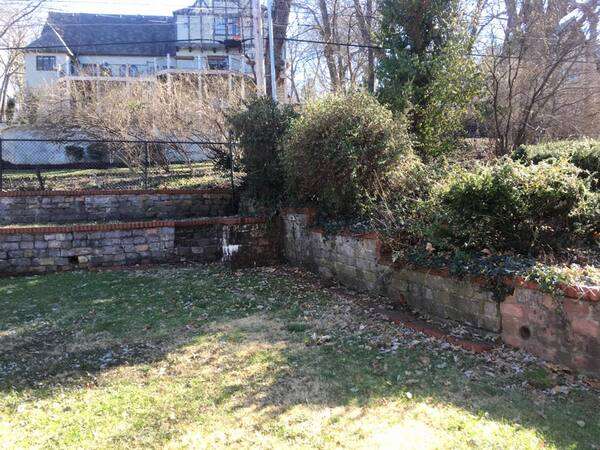
7 Reasons Retaining Walls Fail, 7 Steps To Repairing Them, And More
Learn why retaining walls fail and how to repair or prevent issues with proper construction and maintenance.
Retaining wall failures range from minor settling to complete collapse. Understanding why walls fail helps you prevent problems and know when repair is possible.
7 Reasons Retaining Walls Fail
1. Poor Drainage
- The #1 cause of retaining wall failure. When water accumulates behind a wall, hydrostatic pressure builds and pushes the wall outward. Proper drainage includes:
- Drainage aggregate behind the wall
- Perforated drain pipe at the base
- Outlets for water to escape
2. Inadequate Base Preparation
- Walls built on unstable or improperly compacted soil will settle unevenly. A proper base includes:
- Excavation to stable soil
- Compacted gravel base
- Level foundation
3. Insufficient Setback (Batter)
Retaining walls should lean slightly into the slope they're holding. Walls built perfectly vertical—or worse, leaning outward—lack stability.
4. Overloading
- Walls designed for one load but subjected to greater forces will fail. Common overloads include:
- Vehicles driving over retained area
- Heavy structures built too close
- Soil saturation adding weight
5. Wrong Materials or Sizing
Using materials insufficient for the wall height or conditions. Small landscape blocks used for tall walls. Undersized timbers. Inadequate steel reinforcement.
6. Tree Root Damage
- Roots growing behind or under walls can:
- Displace stones or blocks
- Block drainage systems
- Destabilize foundations
- Create pathways for water
7. Age and Weathering
- All walls deteriorate over time:
- Mortar joints erode
- Wood rots
- Steel rusts
- Freeze-thaw cycles damage materials
Warning Signs of Wall Problems
- Watch for these indicators:
- Wall leaning or tilting
- Cracks in wall face
- Bulging sections
- Soil washing through wall
- Water staining or efflorescence
- Gaps opening at top or bottom
- Settled or heaving sections
7 Steps to Repairing a Retaining Wall
Step 1: Assess the Damage Determine if repair is feasible or if replacement is necessary. Minor settling may be repairable; severe leaning often requires rebuilding.
Step 2: Address Drainage First Before any structural repair, ensure proper drainage exists. Install or repair drain systems behind the wall.
Step 3: Stabilize the Area Prevent further movement during repairs. May require temporary shoring or excavating soil from behind the wall.
Step 4: Rebuild Failed Sections Remove and reconstruct damaged areas with proper base preparation and materials.
Step 5: Install Proper Batter Ensure rebuilt sections lean into the slope appropriately.
Step 6: Restore Drainage Systems Install new drainage aggregate and pipe if existing systems failed.
Step 7: Monitor and Maintain Watch for signs of continued movement. Address issues promptly.
When to Replace vs. Repair
Consider replacement when: - Wall has tilted more than 2 inches per foot of height - Multiple sections have failed - Original construction was fundamentally flawed - Repair cost approaches replacement cost
Repair may work when: - Damage is localized - Cause can be corrected - Original construction was sound - Majority of wall is stable
How Long Should Retaining Walls Last?
- With proper construction and maintenance:
- Natural stone: 50-100+ years
- Quality concrete block: 30-50 years
- Poured concrete: 50-100 years
- Pressure-treated wood: 15-25 years
- Boulder walls: 75-100+ years
Prevention Is Best
- The best approach is building correctly from the start:
- Proper drainage design
- Adequate base preparation
- Appropriate materials for conditions
- Professional engineering when needed
- Quality construction techniques
Freedom Pondscapes builds retaining walls designed to last throughout Kansas City and Northwest Arkansas.
---
Build it right the first time: [Learn about our retaining wall construction process](/services/retaining-walls) and why proper drainage is non-negotiable.
Local Retaining Wall Builders
Hire experienced retaining wall contractors near you. See pricing, soil notes, and recent projects for your city.
Ready to Start Your Project?
Contact Freedom Stone + Pondscapes for a free consultation on your water feature, hardscaping, or outdoor living project in Kansas City or Northwest Arkansas.
Related Articles
Retaining Walls
How to Choose a Retaining Wall Builder in Kansas City
Finding the right retaining wall contractor in Kansas City takes more than a Google search. Here is what to look for, what to avoid, and how to make sure your wall lasts decades.
Retaining Walls
Retaining Wall Cost in Northwest Arkansas: What Homeowners Actually Pay
Wondering what a retaining wall costs in Bentonville, Rogers, or Fayetteville? Here is a realistic breakdown of prices, materials, and factors that affect your total investment in NWA.